Hydraulic hoses are everywhere, on construction tools, tractors, forklifts, garbage trucks, factory machines, and so many more things. These flexible lines carry under high pressure and power things like cylinders and steering systems. So, if a hose leaks or blows, the entire system can stop, and it sometimes happens within seconds. In places like Canada, where machinery mostly works outdoors in extreme weather, hose failures are more common than you’d think.
That’s where hydraulic hose repair comes in. It’s not just about patching a leak. It’s about bringing back the performance, avoiding any tool damage, and keeping downtime low. In this guide, we’ll talk about what hydraulic hose repair really involves, what causes hoses to fail, how DIY repair works, when to call a professional, and what services look like across Canada in 2025.
We’ll also get into current costs, industry trends, and safety risks you need to know, so you can make the right call when your machine’s down.
What Is Hydraulic Hose Repair?
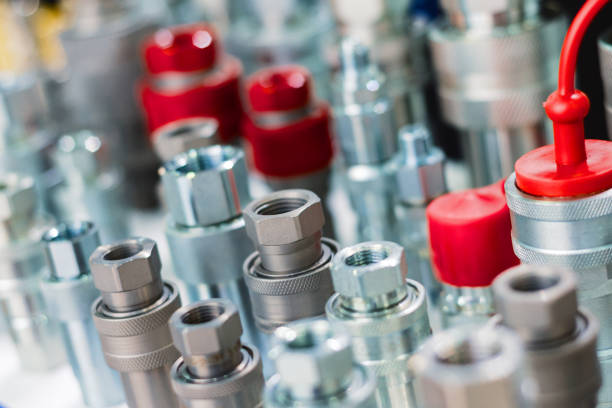
Hydraulic hose repair is the process of replacing a damaged hydraulic hose so that it can safely carry fluid at pressure. Sometimes it means removing and replacing the entire hose. Other times, it also means cutting out the damaged section, installing new fittings, and tweaking the ends back together.
A hydraulic hose is made with multiple layers: an inner tube that holds the fluid, one or more layers of support (like braided steel or synthetic fiber), and an outer rubber or thermoplastic jacket that protects everything inside. Hoses can also be rated for pressures in the range from 500 psi to 6,000 psi or more.
In Canada, most repair services stock and work with common hose types:
- 2-wire braided hoses (medium-pressure systems)
- 4 or 6-wire spiral hoses (high-pressure systems, like in mining and oilfield equipment)
- Thermoplastic hoses (used in tight routing spaces or cold-weather conditions)
- Teflon/PTFE hoses (used when chemical resistance is required)
The goal of any hydraulic hose repair, be it DIY or professional, is the same: to have safe working with a hose that is able to hold pressure, seals tightly, and lasts under real working conditions.
Related: What is a hydraulic system and how it works
Signs You Need Hydraulic Hose Repair
Most hose failures don’t happen all at once. The show signs first like small leaks, changes in how the machines move, or visible damage along the hose itself. Spotting these early makes the difference between a simple fix and a full-blown breakdown.
This is what you need to look out for:
- Fluid Leaks
If you see drips or puddles under the equipment, then it could be a cracked hose or a loose fitting. In cold Canadian winters, those leaks might even freeze, which makes things worse.
- Bulging or Blistered Hose Sections
Pressure can build up inside a weakened hose wall, which can cause it to bubble. That section has a chance to burst soon.
- Abrasion Marks or Cuts
If the hose rubs against metal or moves with vibration, this means that the outer jacket has worn out.
- Jerky or Weak Movements
Slow lift arms, weak steering, or inconsistent motion can mean that the hose isn’t working at full pressure.
- Noise and Smell
A hissing sound can mean fluid is leaking. A burnt smell can be a sign of an overheating hose near the engine or exhaust system.
A quick inspection once a day, especially before starting, can catch most of these problems. And when you do spit a problem, don’t tape it up or “keep it running”, hydraulic fluid under pressure can be dangerous.
Related: Hydraulic cylinders: A basic to advanced guide
Why Hydraulic Hoses Fail
Every hydraulic hose has a service life. But in tough weather like Canada, where machines work through snow, salt, mud, and dust, hoses wear out faster.
This is what causes most failures:
- Heat and Age
Rubber and thermoplastic materials can break down over time, especially when they are kept with hot fluid or in the sun. A hose that looks fine from the outside might be fragile inside.
- Poor Routing
If a hose is bent too tightly or twisted during installation, it can put stress on the inner tube. That stress leads to cracks and then rupture.
- External Damage
Hoses that sometimes rub against metal edges, get stepped on, or get exposed to falling debris lose their protective jacket and end up splitting.
- Chemical Exposure
Using the wrong hydraulic fluid or exposing the hose to fuel, solvents, or road salt can make the material weak or cause swelling.
- Excess Pressure
Every hose has a pressure rating. If the system exceeds that (from blocked lines, spikes, or heavy loads), the hose can burst, usually without any warning.
- Incompatible Fittings
If someone tries to reuse old or mismatched fittings or doesn’t put them in correctly, the seal usually fails. This ends up in leaks at the hose ends.
Regular checks, proper installation, and using hoses rated for the job can prevent most of these. But when failure happens, acting fast limits the damage.
Related: Hydraulic system maintenance tips
Can You DIY Hydraulic Hose Repair?
Yes, you can repair a hydraulic hose by yourself, but only if you understand the risks, have the right tools, and know exactly what the system needs. This isn’t like changing a car tire. You’re working with fluid systems under pressure, usually over 3,000 psi. A bad repair can fail quickly and dangerously.
What You Need:
- A hose cutter (not a hacksaw; clean cuts are important)
- The correct hose with matching pressure and temperature ratings
- New fittings that match both the hose and the system ports
- A crimping tool (manual, electric, or hydraulic press-style)
- Safety gear: gloves, goggles, and solid work boots
- A way to test pressure after installation
Basic DIY Steps:
- Shut down and stop the pressure in the hydraulic system before anything else.
- Remove the damaged hose and measure the replacement length.
- Cut the new hose cleanly and properly. Then, insert the proper fittings.
- Use a crimper to secure the fittings (make sure to do this according to the manufacturer’s specifications).
- Install everything again, bleed the system if it is needed, and check for any leaks under pressure.
This works for low-risk applications, like a backhoe bucket or small tractor, but it’s not recommended for brake lines, steering systems, high-lift cylinders, or anything safety-critical. Also, many industrial operations in Canada need these certified hose assemblies. DIY repairs don’t have warranties and can also violate safety policies on work sites.
It’s tempting to save money by fixing it yourself, especially if you’re in a rural area without quick service access. But if you don’t already have the equipment and training, it’s usually not worth the risk.
Related: How to repair a hydraulic hose
When to Call a Professional?
Some repairs are better when they are left for trained technicians. Especially if you’re dealing with high-pressure lines, critical systems, or custom hydraulic assemblies. A qualified tech will bring the right hose, fittings, tools, and testing equipment right to the job site.
Call a professional when:
- High-pressure system (above 3,000 psi) or those having multi-line routing.
- Safety-related parts like brakes, boom arms, steering, or lift hydraulics.
- Custom hose specifics that need the right crimping, sizing, or fluid compatibility.
- You don’t have a crimper or don’t trust your fittings to hold under pressure.
- You need the machine back in service fast and can’t afford downtime.
In 2025, many repair companies across Canada now provide mobile hydraulic hose repair. This means that they’ll come to your location, look at the failure, cut and crimp a replacement hose on the spot, and test it before they leave.
Company like Delanges offer same-day or 24/7 on-site service in area like Chilliwack. For remote job sites or time-sensitive work, it’s the fastest and safest option.
Calling a professional is about getting the job done right the first time, with fittings that meet specs and a hose that holds up under pressure.
Mobile and On-Site Hydraulic Hose Repair Services in Canada
When hydraulic hoses fail, it rarely happens in a convenient location. Most breakdowns happen out in the field on a jobsite, in a remote farm lot, or mid-shift on industrial equipment. That’s why to solve your problem easily, Delange’s provides fast, mobile hydraulic hose repair service. We bring the tools, parts, and certified technicians right to you.
What We Bring to the Job Site:
- A fully equipped service vehicle with common hose types and fittings.
- Hydraulic crimpers and diagnostic tools.
- Trained technicians who can inspect, cut, crimp, and install hoses on location.
- Pressure testing to make sure the job’s done right before we leave.
Service Area:
Delanges is based in Chilliwack, BC, and services businesses and operators across the Fraser Valley and surrounding regions. We take up all projects on farms, construction sites, mills, or factories. If your hose fails, we’re ready to respond.
Why Choose Delange’s Mobile Hose Service?
- No need to haul equipment to a shop.
- Reduced downtime, many jobs completed in under one hour.
- Work done by experienced technicians who follow all safety standards.
- Backed by over 15 years of hydraulic repair experience.
Mobile service isn’t a luxury anymore. It’s the standard for anyone serious about uptime and equipment safety. Delange’s brings dependable, efficient hydraulic hose repair right to your site, so you can get back to work without delays.
Related: Hydraulic repair services in Chilliwack
Cost Comparison: DIY vs Professional Hydraulic Hose Repair
Fixing a hydraulic hose yourself looks cheaper at first, but when you take a look at things like downtime, tools, risk, and quality, the full picture changes a lot.
This is a comparison to help you decide what fits your situation the best:
| Factor | DIY Repair | Professional Repair (e.g., Delange’s) |
| Upfront Cost | Lowers if tools are owned; higher if buying crimper and fittings. | Flat rate or hurley fee; includes hose, fittings, labor |
| Downtime | Longer, especially if sourcing parts or learning the process. | Faster; mobile service can complete most jobs in under an hour. |
| Safety & Risk | You’re responsible if it fails under pressure. | Work is tested, sealed, and backed by expert knowledge. |
| Tools | Needs crimper, cutter, fitting stock, safety gear. | Fully equipped mobile team so no extra tools needed. |
| Parts Quality | Can get mismatched hoses/fittings if bought online. | Technicians will carry the right hose and fittings for your system.Warranty |
| Warranty | No warranty on DIY work. | Most professional repairs include part and labor coverage. |
| Skill Requirement | Steep learning curve for proper crimping/ sealing. | Done by trained, certified technicians. |
What This Means in Practice:
- If you’re only fixing a low-pressure line on a non-critical machine, and you already have the tools, DIY might work.
- For anything over 3,000 psi, or machines that run daily, professional service is safer, faster, and more reliable.
- A failed hose can cost more than the hose itself, downtime, damage, and safety risks all add up.
Delange’s mobile hydraulic hose repair services give you the right hose, the right fitting, and expert installation in one visit.
Related: The #1 Custom Tarps Repair in Canada, Fast Repair Anytime
2025 Market Trends in Hydraulic Hose Repair Canada
The demand for hydraulic hose repair services is growing across Canada, especially with increased equipment use in construction, agriculture, forestry, and oil & gas. According to a LinkedIn‐published industry forecast, in 2025, the Canadian hydraulic hose and fittings market is projected to hit $18.5 billion, which is growing at a 5.5% CAGR through 2033.
What’s Driving the Growth?
- Still using old equipment means more frequent failures and repairs.
- Expansion of Canadian infrastructure projects has everything using hydraulic powered machinery including highway upgrades and renewable energy.
- Rise in custom and mobile equipment builds which need more specialized, non-standard hoses that can’t be bought off the shelf.
- Labor shortages as there are only few skilled in-house techs that have more demand for mobile hose service like the one Delange’s provides.
Also, many businesses are going for preventive repair strategies in 2025. They are choosing scheduled hose replacement and inspections rather than waiting for a breakdown. This makes on-demand mobile hose services even more important.
Final Thoughts: Fix It Right, the First Time
Some hose failures are easy enough to fix even if you’ve got the tools, time, and knowledge. But most of the time, especially when you’re dealing with pressure lines or you’re stuck mid-job, it makes more sense to get someone in who does this everyday.
At Delange’s, we don’t overcomplicate it. You call, we come out, and fix it, on-site, with the right parts. You get your machine back up and running without wasting time trying to make something work that might fail again.
If you’re Chilliwack or nearby and need a hose replaced, call us. We’ll sort it out for you.