
Hydraulic machines are built to handle tough work like digging, lifting, and drilling, to keep the production moving. But no matter how strong they are, they don’t run forever. Sooner or later, a hose will leak, a pump will wear out, or the system will slow down. When that happens, you’re left with an important choice: repair the part that failed, or rebuild the system to bring it back close to new.
Both of the options keep the equipment working, but the results are very different. A quick repair will help you get back to the job faster and with less cost. A rebuild takes longer and costs more upfront, but it also increases the machine’s life and lessens the risk of repeated breakdowns.
That’s why knowing when to choose repair vs. rebuild can save money, cut downtime, and protect your equipment for a longer time.
What Is Hydraulic Equipment Repair?
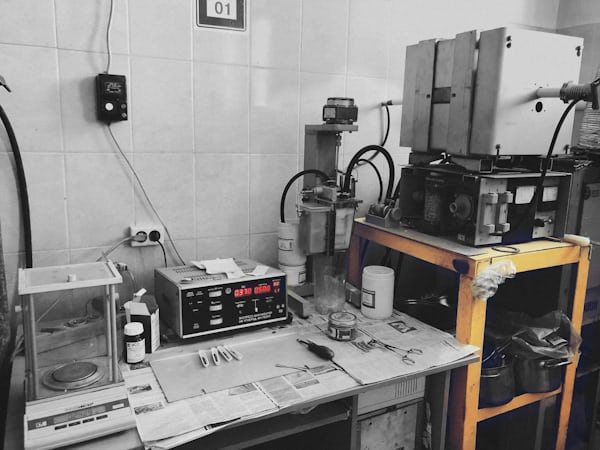
Hydraulic equipment repair means fixing or replacing the specific parts that are worn out or damaged, rather than working on the entire system. The most common examples are changing seals, hoses, pumps, or valves.
Repairs are mostly the first choice because they:
- Get the machine running again quickly.
- Costs less than a rebuild.
- Keep downtime to a minimum
The only drawback is that a repair only solves the immediate problem. If other parts are already weak, new issues can come up.
In real-world situations, repairs are the best option when equipment fails suddenly and every hour of downtime is expensive. For example, if a hose bursts on a construction site, replacing it right away keeps the project moving without major delays.
Related: How to Choose the Right Hydraulic Pump for Your Application
What Is Hydraulic Equipment Rebuild?
A hydraulic equipment rebuild fixes one or two issues. It means taking the system apart, inspecting the components, and replacing or refurbishing major parts that are worn or close to failing. This includes pumps, cylinders, motors, and valves.
A rebuild is chosen because it:
- Restores the system close to its original performance.
- Increases the overall life of the equipment.
- Reduces the chances of repeated failures.
The only problem is that a rebuild takes a longer time and costs more than a repair. It also needs planning, since the machine will be out of service during the process.
In real situations, a rebuild is still valuable, but if it shows signs of wear in multiple parts. For example, a mining truck that keeps breaking down during the peak season will cost more. But a planned rebuild in the off-season will be helpful.
Repair vs. Rebuild
| Factor | Repair | Rebuild |
| What it Does | Fixes only the damaged or broken parts, like seals or hoses | Replaces many major parts and restores the whole system |
| Cost | Lower | Higher |
| Time | Short, machines can get back to work faster | Longer, since the machine is taken apart and rebuilt |
| Result | Solves the issues at hand, but might need more work later | Increases equipment life and reduces the chances of future failures |
| Best Choice | Quick fixes and small budgets | Long-term reliability and performance |
In short, repairs are the better choice for quick fixes and lower costs, while rebuilds work best when you need long-term dependability and want to increase the life of your equipment. The right option depends on how important the machine is, how much downtime you can allow, and your budget goals.
How to Decide: Repair or Rebuild?
Sometimes, choosing between repair and rebuild can be difficult. You should think of the condition of your equipment, the costs involved, and how much downtime you can afford.
Condition of the machine
A repair is better when there are just a few parts that are failing, like a leaking hose or a worn-out seal. But if multiple parts have issues, then a rebuild is safer. Fixing only one part repeatedly can lead to more breakdowns and higher costs over time.
Downtime Tolerance
Repairs are faster. They are usually completed in a few hours or a day, so the machine can get back to work quickly. Rebuilds take longer since the system has to be fully disassembled and then checked. If your work can’t afford long interruptions, then repair is a practical choice.
Budget Now vs. Later
Repairs are cheaper upfront, which is helpful when the money is tight. But continuous small repairs can add up. A rebuild costs more at first, but it can reduce the future maintenance expenses and unexpected breakdowns.
Important Equipment
Machines that are necessary for everyday operations need more reliability. For example, a hydraulic press in a factory that stops production lines should be rebuilt if there are multiple parts that need to be repaired. A rebuild reduces the risk of unexpected failure and keeps the workflow steady.
Age of the Equipment
Older machines show signs of wear in many components. If you keep repairing an ageing system, then there will be frequent downtime. Rebuilding the older equipment will help give it a fresh start and extend its usable life.
Related: Hydraulic Hose Repair in Canada
Tips for Operators and Managers
The Operator’s Perspective
For operators working on the ground, the priority is keeping machines running. Quick repairs are usually the best option when downtime costs are more than the repair itself. A leaking hose or worn-out seal can be fixed in a few hours. You will get the equipment back on the job fast and avoid any interruptions in work.
Manager’s Perspective
For managers, the focus is usually on long-term dependability and cost-efficiency. Rebuilds take more time and money, but they also increase the life of the equipment, reduce repeated breakdowns, and improve the return on investment. Planning rebuilds according to the scheduled maintenance periods ensures that there is less disturbance. This also protects future productivity.
There is a simple rule: repair for today, rebuild for tomorrow. It will help both the operators and managers make practical decisions that balance immediate needs with long-term value.
Final Thoughts
Deciding between repairing or rebuilding your hydraulic equipment depends on different things:
- Repair is best for quick fixes when only a few parts are damaged, minimizing downtime and cost.
- Rebuilding is better when multiple parts are worn or failing. It provides long-term dependability and performance.
In Chilliwack, BC, Delange’s Industries is known as a trusted provider for hydraulic repairs and rebuilds. We provide services, like hydraulic pump and cylinder repairs, making sure your equipment is working at its peak efficiency.
Related: The #1 Custom Tarps Repair in Canada, Fast Repair Anytime